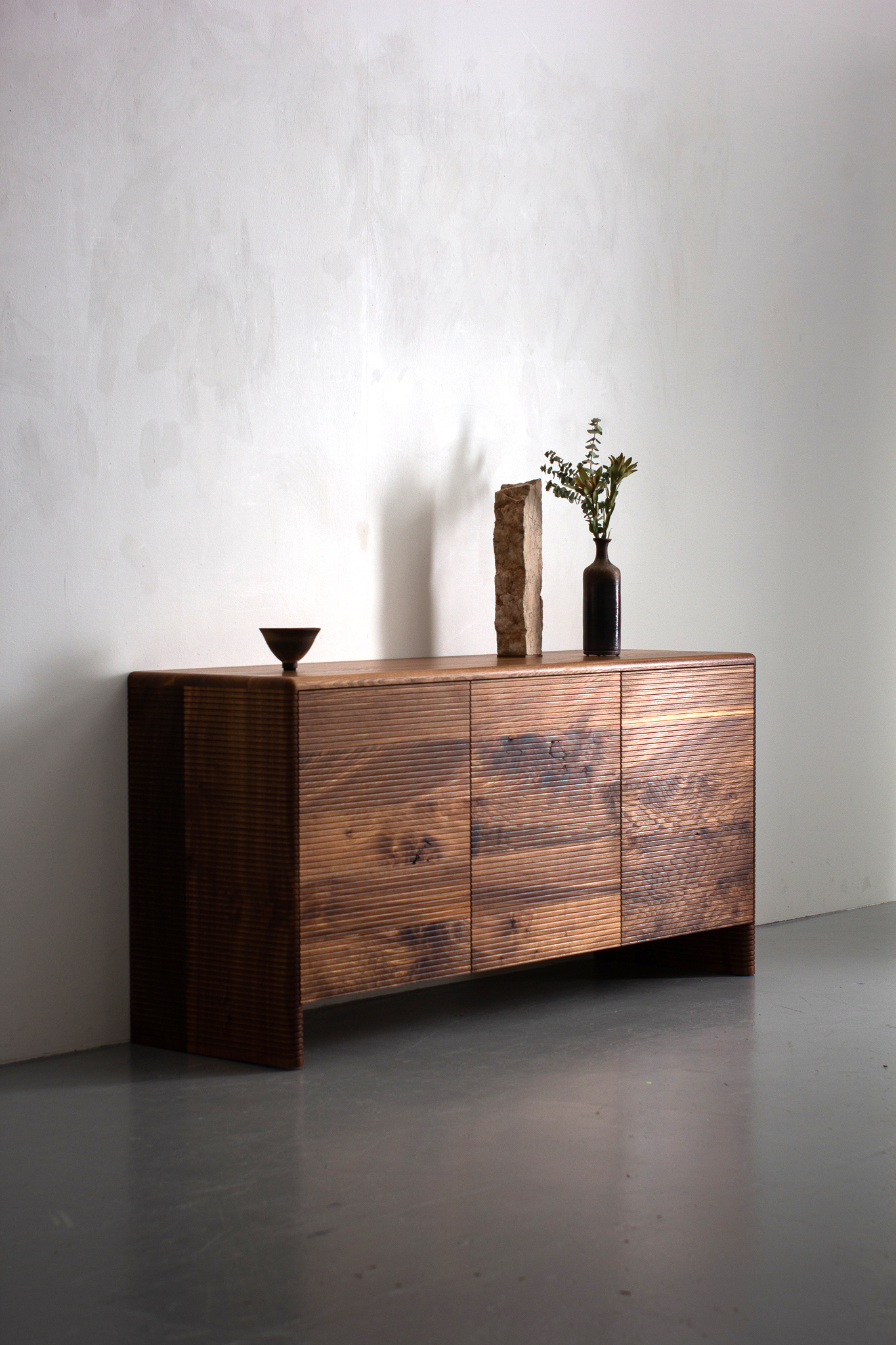
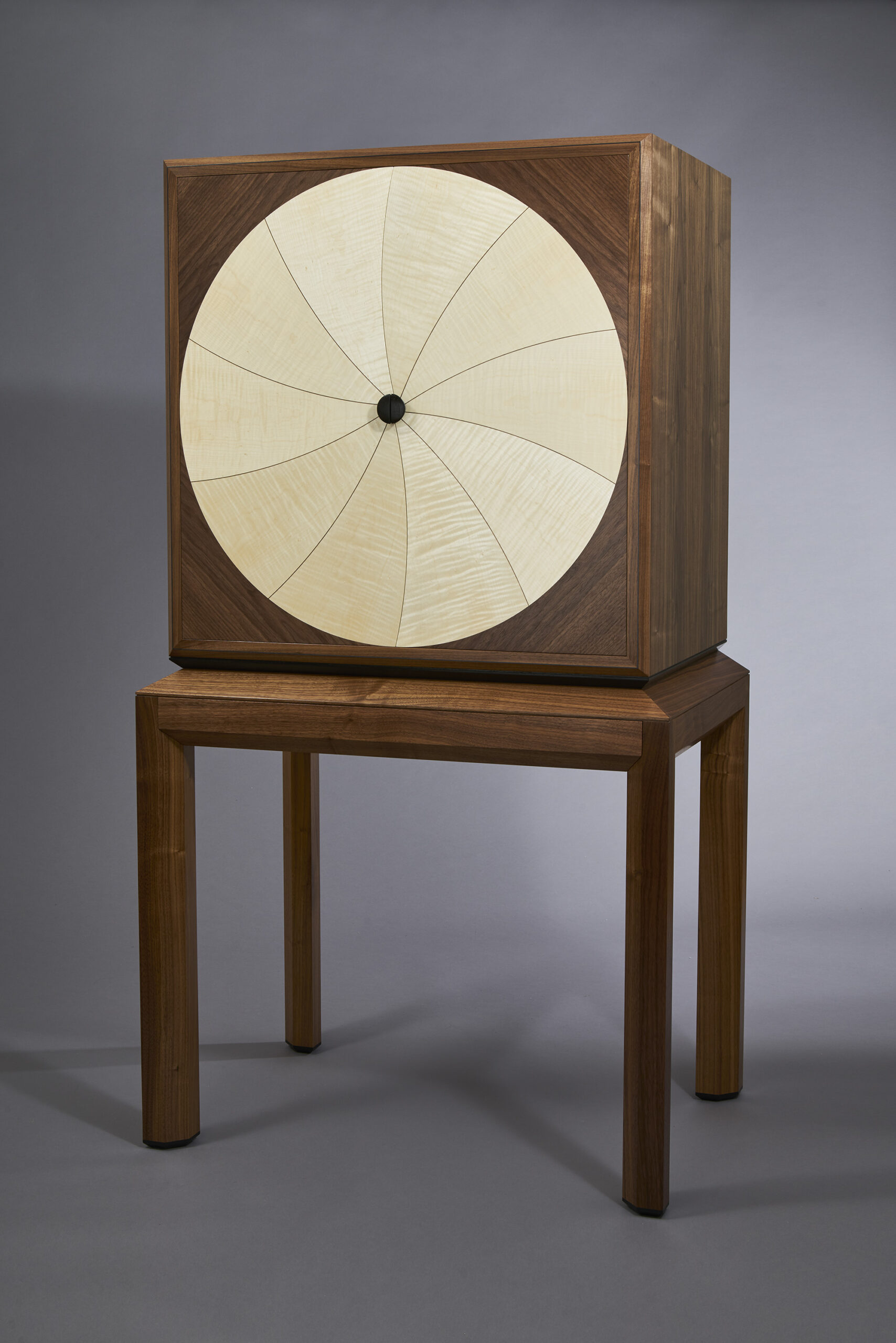
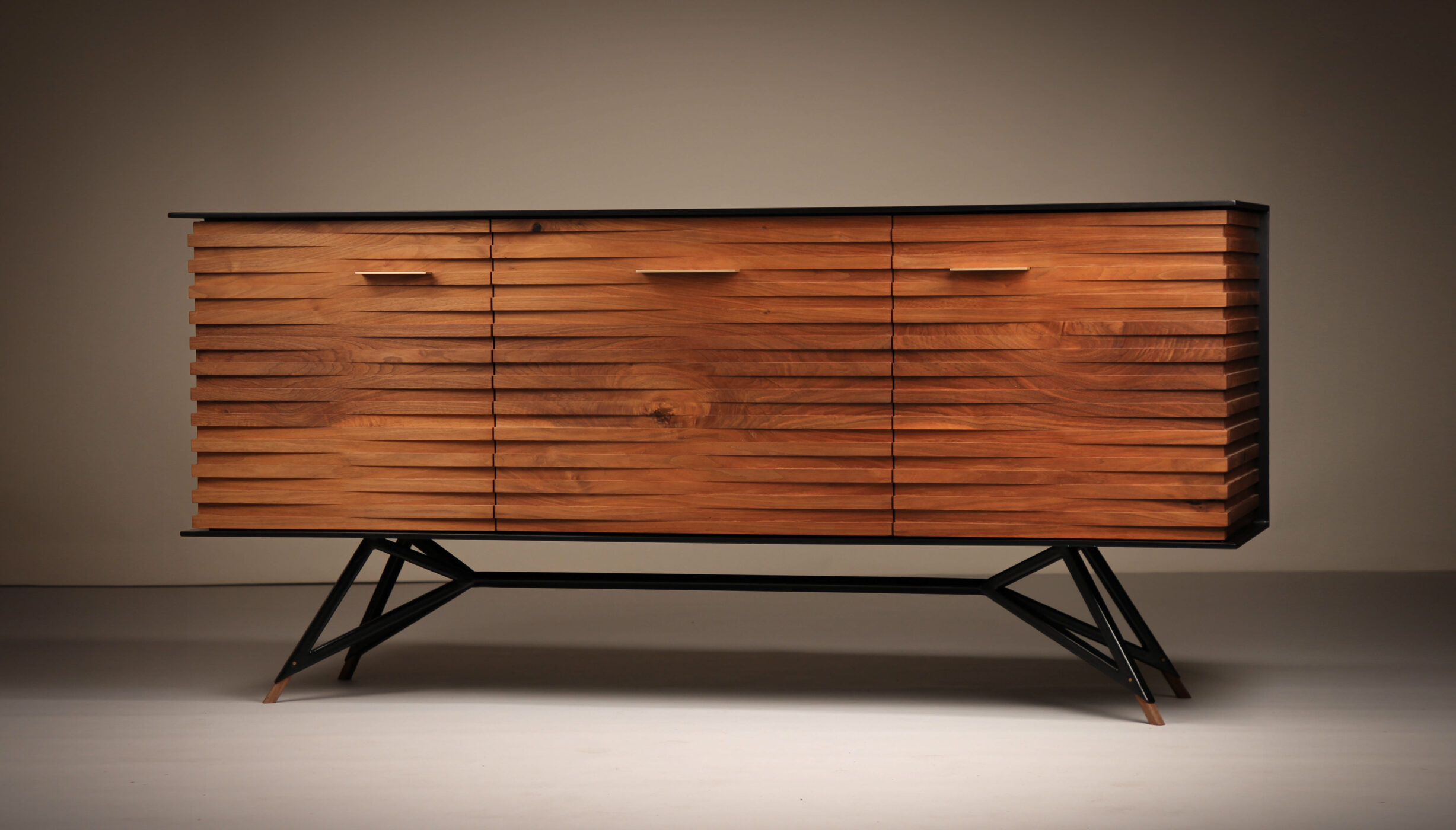
Finding a piece of furniture that fits your home, your taste and the way you live is not always as simple as visiting a showroom. An awkward alcove, an unusual room layout or a very particular idea can make standard furniture feel like a compromise.
Working directly with a bespoke furniture maker gives you the opportunity to create something specifically for your space. But with many different designers, cabinetmakers, joiners and craftspeople working across England, how do you know who is right for your project?
This guide explains what to look for, what to prepare and what to ask before commissioning a bespoke piece.
What does bespoke
furniture actually mean?
Bespoke furniture is designed and made for a particular client, space or purpose.
Unlike a standard product selected from a fixed catalogue, a bespoke commission can usually be adapted in areas such as:
- dimensions and proportions;
- colour and surface finish;
- storage configuration;
- handles, fittings and construction details;
- visual style;
- choice of timber or other materials;
- accessibility and everyday functionality.
Some makers specialise in fully original one-off pieces. Others offer existing designs that can be adjusted in size, material or finish. Neither approach is automatically better—the right choice depends on what your project needs.
Start with a clear project brief
You do not need to arrive with a finished technical drawing. A maker can often help develop the idea with you.
However, providing a simple brief will make the first conversation more productive.
Before contacting a furniture maker, try to prepare:
- The type of furniture you need
For example, a dining table, fitted wardrobe, bookcase, desk or freestanding cabinet. - Approximate measurements
Include the available width, height and depth, as well as any awkward corners, radiators or skirting boards. - How the piece will be used
A dining table used by a family every day may need a different finish from an occasional console table. - Visual references
Save photographs of furniture, materials, colours or interiors that communicate the atmosphere you like. - Your preferred timescale
Bespoke work takes time to design and make, so mention any important deadlines early
Search by location, craft and material?
Location | Start with makers based in your region and the surrounding area, particularly when the project requires measuring, installation or several in-person consultations. Internal link: Explore furniture makers in London. |
| Craft | Look at the maker’s principal skills. A furniture designer specialising in sculptural freestanding pieces may approach a project differently from a cabinetmaker focused on fitted storage. |
| Material | Not every workshop works with every material. Some makers specialise in solid hardwoods, while others combine timber with metal, glass, stone, textiles or resin. Choosing a maker with relevant material experience can make the design process considerably easier. Internal link: Browse makers by material. |
How to compare furniture makers
A strong portfolio should show more than attractive finished photographs. Look for evidence that the maker can solve the type of problem your project presents.
| What to compare | What to look for |
|---|
| Previous projects | Work of a similar scale, function or visual style |
| Materials | Experience with the timber, metal, stone or finish you prefer |
| Design approach | Original commissions, adaptable collections or both |
| Construction detail | Clear photographs of joints, edges, fittings and finishes |
| Communication | A clear explanation of the process and what happens next |
| Practical experience | Measuring, delivery and installation where required |
Do not choose solely on the basis of social media followers or the number of projects shown online. A smaller portfolio may still demonstrate excellent craftsmanship and a highly relevant specialism.
Seven questions to ask before commissioning a piece
A first conversation should help both you and the maker decide whether the project is a suitable fit.
Ask questions such as:
- Have you completed similar projects before?
- Do you create the design as well as manufacture the furniture?
- Which materials would you recommend for this use?
- What information do you need before preparing an estimate?
- Does the quotation include design, delivery and installation?
- What is the expected project schedule?
- How are design changes handled once work has started?
It is also worth asking whether the maker provides drawings, samples or finish options before production begins.
What happens after you contact a maker?
Every workshop works differently, but a typical commission may follow these stages.
1. Initial enquiry
You send the maker your brief, measurements, photographs and initial ideas.
2. Consultation
The maker discusses the project with you and may suggest changes to the dimensions, materials or construction.
3. Site visit
For fitted or room-specific furniture, the maker may visit the property to take accurate measurements.
4. Design and quotation
You receive a proposal that may include drawings, material specifications, pricing and an estimated schedule.
5. Approval and production
Once the design and terms are agreed, the workshop begins making the piece.
6. Delivery or installation
The completed furniture is delivered, assembled or fitted in its intended space.
Is a local maker always the best choice?
Not necessarily.
A local maker is particularly useful when your project involves fitted furniture, repeated site visits or complex installation. For a freestanding table, chair or cabinet, you may be able to work with a maker based further away.
The quality of the portfolio, the maker’s relevant experience and the way they communicate are usually more important than choosing the nearest workshop.